
Main materials
Sourcing of wool and silk…
Our main natural dyes
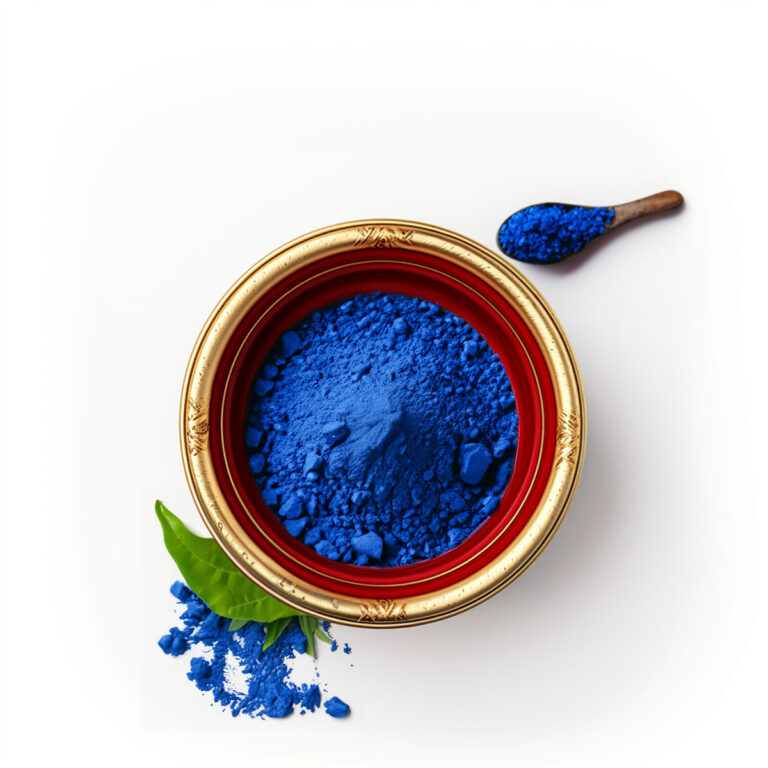
Indigo is a deep, rich blue color that has been used as a dye for thousands of years across many different cultures. The color is derived from Indigofera tinctoria plant, a member of the legume family. Historically, the leaves are fermented and turned into a paste, which is then dried and ground into a powder. This powder is mixed with water and applied to textiles to create the indigo blue dye. Indigo is particularly cherished in Moroccan rug-making because of the depth and variation of color it provides. The exact hue can range from a light sky blue to a deep navy, depending on the duration of the wool’s exposure to the dye. This allows for a great deal of artistic expression and individuality in the rugs’ designs.

Madder is a perennial plant belonging to the Rubiaceae family, native to Mediterranean regions. The roots, when processed, produce an organic compound known as alizarin, which is responsible for the rich red hues associated with madder dye. Yzeel rug weavers rely on madder to produce a variety of red tones, ranging from pink to dark red, burgundy, and even brownish-red. The specific color produced can be influenced by several factors, including the age of the plant, the specific extraction and dyeing process, the type of water used (hard or soft), and the type of mordant used. Madder-dyed rugs are renowned for their rich and warm colors, and the dye is celebrated for its excellent lightfastness, meaning it resists fading when exposed to light. Reason why it has been a staple in the textile industries of many cultures, and it remains popular in traditional rug-weaving practices today.
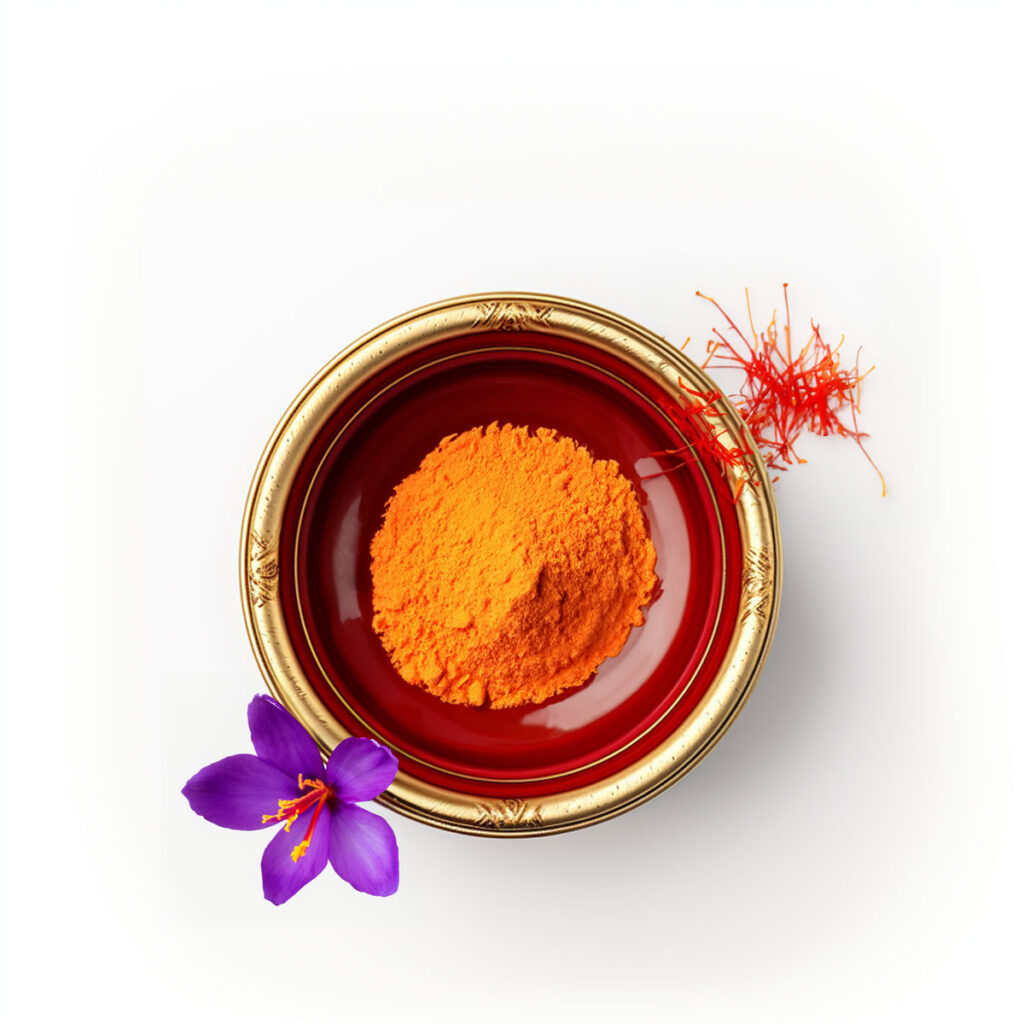
Saffron is renowned for its vibrant hue and unique, somewhat earthy smell. Notably, saffron is the most expensive spice in the world due to its labor-intensive harvesting process, which requires thousands of flowers to be delicately hand-picked to obtain just a small quantity of the spice. In addition to its culinary uses, saffron is also utilized as a natural dye, producing a vibrant range of colors from rich golds to warm oranges. Its use as a dye in rug making, particularly in regions where saffron is native, such as Iran and Morocco. Its usage in rug making is typically reserved for smaller rugs. When considering a larger one, the sheer volume of wool to be dyed could make the use of saffron prohibitively expensive. Hence, while saffron-dyed wool can certainly add a touch of luxury and distinction to a rug, its use is primarily limited to smaller pieces to cost considerations.
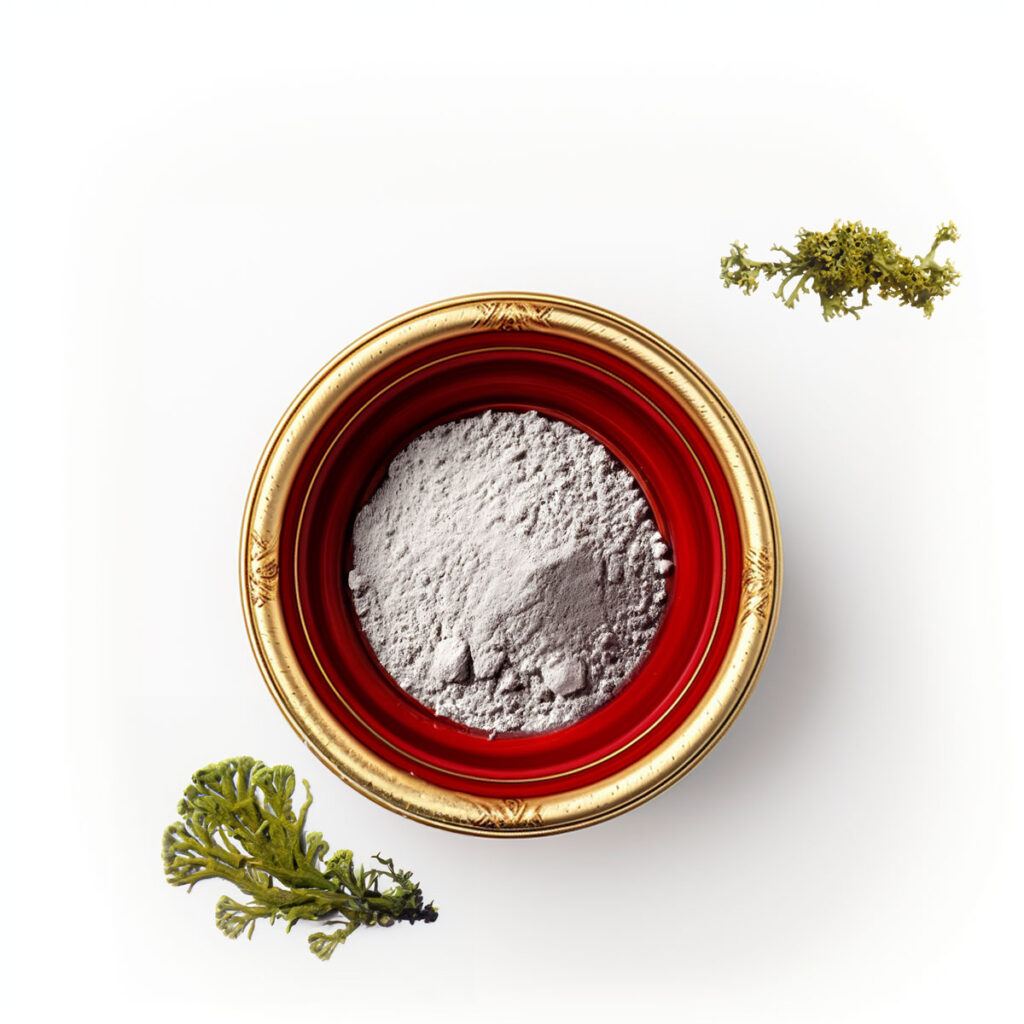
Beard lichen, known as Usnea, has a unique hair-like appearance. It can be found hanging from tree branches in various climates worldwide, especially in clean, humid environments. It is known for its strong resistance to pollution, which makes it a good indicator of air quality. When used as a natural dye, it can yield shades from yellow and green to brown, depending on the mordant (a substance that sets the dye) used and the specific dyeing process. Beard lichen’s dyeing process can be complex and time-consuming, often involving boiling the lichen for extended periods and allowing the yarn to steep in the dye bath for several days. However, the resultant shades are often highly prized for their natural, earthy tones. It is a good substitute to Saffron, however, sustainable harvesting of beard lichen is crucial as it grows relatively slowly.
Reseda, also known as weld or dyer’s rocket, is a plant that has been traditionally used as a natural dye. The species often used for dyeing is Reseda luteola, which is rich in luteolin, a yellow dye compound. This plant has a long history of use in Europe and the Middle East, dating back to ancient times. To extract the dye, the plant is usually harvested when in full bloom, then dried and crushed to a powder. The powdered plant material is then boiled in water, and the yarn or fabric to be dyed is added to the hot water, along with a mordant. A mordant is a substance that helps the dye bond to the fiber and makes the color more vibrant and longer-lasting. Reseda produces a range of yellow hues, from pale lemon to deep gold depending on the mordant used like alum and iron.
